
Description
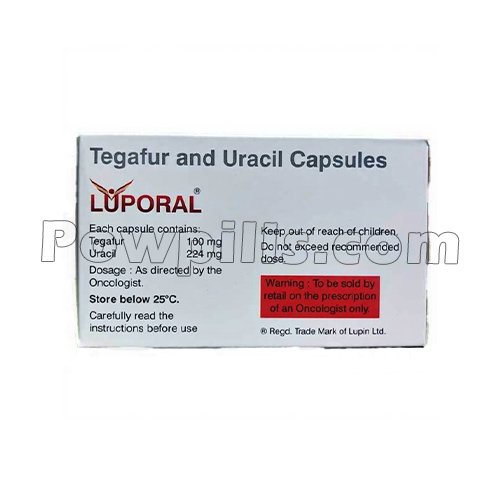
What Is Luporal Capsule? Luporal Capsule is a prescription anticancer medicine that combines two active ingredients: Tegafur 100 mg and Uracil 224 mg. It belongs to a class of cancer treatments called antimetabolites, which work by interfering with the way cancer cells build DNA and RNA the genetic material they need to grow and multiply. This is a serious cancer treatment, not a general medication. It is used specifically in the management of certain cancers and is prescribed as part of a structured treatment plan. Because cancer treatment is complex and highly individualised, Luporal Capsule should only be used under the close supervision of an oncologist who can monitor your response, adjust your dose, and manage any side effects. Quick Answer: Luporal Capsule contains Tegafur 100 mg and Uracil 224 mg. It is an oral anticancer medicine used to treat colon and rectal cancer, and it must only be taken under an oncologist’s supervision. What Is Luporal Capsule Used For? Colon Cancer Luporal Capsule is used in the treatment of colon cancer,that begins in the large intestine (colon). It may be prescribed as part of a chemotherapy regimen to help stop the growth and spread of cancer cells, either after surgery to reduce the risk of recurrence or as part of treatment for more advanced disease. Rectal Cancer Luporal is also used to treat rectal cancer, which develops in the rectum, the final section of the large intestine. As with colon cancer, it forms part of a broader treatment plan that may include surgery, other chemotherapy medicines, and ongoing monitoring. Its Role in Treatment Luporal Capsule is not a stand-alone cure. It works as part of a complete cancer treatment strategy designed by your oncologist, often in combination with other medicines such as calcium folinate (leucovorin). Its role is to help control the disease, slow the growth of cancer cells, and support the overall treatment plan. Your doctor determines how it fits into your specific regimen based on your diagnosis, stage, and overall health. How Does Luporal Capsule Work? Luporal works through a two-part mechanism that targets cancer cells at the level of their genetic material. Step 1: Tegafur is converted to 5-FU Tegafur is what’s called a prodrug — a medicine that becomes active only after your body processes it. Once inside the body, tegafur is converted into 5-fluorouracil (5-FU), which is the actual anticancer agent. 5-FU interferes with the production of DNA and RNA in cancer cells. It blocks an enzyme called thymidylate synthase, which cancer cells need to build DNA, and also disrupts RNA function. Without the ability to properly produce DNA and RNA, the cancer cells can’t grow or divide and eventually die. Step 2: Uracil maintains 5-FU levels Uracil plays a supporting but crucial role. An enzyme in the body called dihydropyrimidine dehydrogenase (DPD) normally breaks down 5-FU quickly. Uracil competitively inhibits this enzyme, which slows the breakdown of 5-FU and helps maintain higher, more effective levels of the active medicine in the tumour tissue for longer. Luporal Capsule Dosage & How to Take It Important: Cancer-treatment dosing is highly individualised. The information below is general guidance only. Your exact dose depends on your treatment regimen, body surface area, overall health, blood counts, and your oncologist’s assessment. Do not self-dose or change your dose without your doctor’s instruction. Dose Is Individualised by the Doctor Your oncologist calculates your dose based on factors such as your body surface area, the specific cancer being treated, your response to treatment, and your blood-test results. The dose may be adjusted during treatment depending on how your body responds and whether side effects occur. How to Swallow the Capsule Take the capsule whole with water. Do not crush, break, or chew it. Swallowing it intact ensures the medicine is released and absorbed correctly. Food Instructions Luporal Capsule may be taken with or without food, but some treatment protocols recommend taking it at a specific time relative to meals (for example, one hour before or one hour after meals). Follow your doctor’s instructions on when to take it. Take at the Prescribed Time Try to take each dose at the same times each day to keep the medicine levels steady in your body. Spacing doses evenly (for example, every 8 hours if prescribed three times daily) is usually recommended. Do Not Change or Stop Treatment Yourself Never adjust your dose or stop taking Luporal without talking to your oncologist first. Stopping too early or changing the dose can affect how well the treatment works and may have serious consequences. Missed-Dose Guidance If you miss a dose, take it as soon as you remember but only if it’s still close to the scheduled time. If it’s nearly time for your next dose, skip the missed one and continue with your normal schedule. Don’t take a double dose to make up for a missed one. Contact your doctor or pharmacist if you’re unsure what to do. Important: Don’t follow a universal dosage from this page. Cancer-treatment dosing depends on the individual treatment regimen and must be determined by your oncologist. Luporal Capsule Side Effects Like all anticancer medicines, Luporal Capsule can cause side effects. Not everyone experiences them, and they can vary in severity. Knowing what to watch for helps you manage them and know when to seek help. Common Side Effects Nausea Vomiting Diarrhea Fatigue Mouth sores Abdominal discomfort Loss of appetite Reduced blood-cell counts (including white blood cells, red blood cells, and platelets) These side effects are often manageable, and your doctor may prescribe additional medicines to help control symptoms like nausea or diarrhea. Taking the capsule as directed and staying well hydrated can also help. When to Contact Your Doctor Contact your doctor promptly if you experience: Severe or persistent diarrhea or vomiting High temperature, fever, chills, or signs of infection Unusual bruising, bleeding, or extreme tiredness (possible signs of low blood counts) Severe mouth sores that make eating or drinking difficult Yellowing of the skin or eyes (possible liver problems) Severe abdominal pain Any symptoms that concern you or feel different from your usual baseline Some of these can indicate serious complications that need prompt medical attention. Your oncologist may adjust your dose or pause treatment if side effects become severe. Luporal Capsule Safety & Precautions Before and during treatment with Luporal Capsule, several safety considerations matter: Pregnancy Luporal Capsule can harm an unborn baby. It should not be used during pregnancy. If you or your partner could become pregnant, discuss contraception with your doctor before starting treatment and throughout the treatment period. Breastfeeding Luporal is not recommended during breastfeeding. The active ingredients may pass into breast milk and could harm a nursing infant. Talk to your doctor about alternatives if you are breastfeeding. Kidney Problems If you have kidney problems, tell your oncologist. Kidney function can affect how the medicine is handled by the body, and your dose may need to be adjusted accordingly. Liver Problems Liver function is important because tegafur is converted to its active form in the liver. If you have liver disease or reduced liver function, your doctor will assess whether Luporal is safe for you and may monitor your liver enzymes during treatment. Blood Disorders Luporal can reduce blood-cell counts, including white blood cells (which fight infection), red blood cells (which carry oxygen), and platelets (which help blood clot). Regular blood tests are needed to monitor these levels. Infection Because Luporal can lower your white blood cell count, you may be more vulnerable to infections. Try to avoid contact with people who are ill, and report any fever or signs of infection to your doctor immediately. Driving and Alertness Luporal may cause fatigue, dizziness, or reduced alertness in some people. If you experience these effects, avoid driving or operating machinery until you know how the medicine affects you. Regular Blood-Test Monitoring Your oncologist will arrange regular blood tests during treatment to check your blood counts, liver function, and kidney function. These tests help ensure the treatment remains safe and allow dose adjustments if needed. Luporal Capsule Drug Interactions Luporal Capsule can interact with other medicines, which may affect how well it works or increase the risk of side effects. Rather than relying on a fixed list, the safest approach is to be completely open with your doctor about everything you take. Prescription Medicines Tell your oncologist about all prescription medicines you’re taking, including medicines for other health conditions. Some can interact with Luporal or affect your cancer treatment. Chemotherapy Medicines If you’re receiving other anticancer treatments, your doctor carefully plans how they work together. Some combinations require dose adjustments or specific scheduling. Over-the-Counter (OTC) Medicines Even common OTC medicines like pain relievers or antacids can interact with cancer treatment. For example, antacids may need to be avoided within a couple of hours of taking Luporal. Always check with your doctor or pharmacist first. Vitamins and Supplements Vitamins, herbal remedies, and dietary supplements can also interact with cancer medicines. Don’t assume that “natural” means safe during treatment. Mention everything you take. Tell Your Doctor About Everything You Take The simplest and safest rule: before starting Luporal, give your doctor a complete list of every medicine, supplement, and remedy you use. This helps them identify and prevent potential interactions before they become a problem. Luporal Capsule Treatment & Monitoring Why Regular Follow-Up Is Important Cancer treatment is not a one-time event — it requires ongoing monitoring to ensure the medicine is working and that side effects are managed. Regular follow-up appointments allow your oncologist to track your progress and make changes if needed. Blood-Count Monitoring Because Luporal can lower blood-cell counts, regular blood tests are essential. Your doctor checks your white blood cells, red blood cells, and platelets to make sure they stay within a safe range. If counts drop too low, your dose may be adjusted or treatment paused temporarily. Kidney and Liver Monitoring Your kidney and liver function may also be checked periodically, as these organs play a role in how the medicine is processed. This helps catch any problems early. Dose Adjustment if Side Effects Occur If you experience significant side effects, your oncologist may reduce your dose, delay a cycle, or temporarily stop treatment. These adjustments are a normal part of cancer care and are made to keep you as safe as possible while maintaining the effectiveness of treatment. Treatment Duration Depends on the Prescribed Regimen How long you take Luporal depends entirely on your specific treatment plan. Some regimens involve taking the medicine for 28 days followed by a 7-day rest period, then repeating the cycle. Your oncologist decides the number of cycles and the total duration based on your response and the treatment protocol. References This product page references the following authoritative sources: National Cancer Institute (NCI) — Tegafur-Uracil drug definition and mechanism of action information. NICE (National Institute for Health and Care Excellence) — Relevant oncology guidance on colorectal cancer treatment. Official prescribing and product information — Tegafur + Uracil (UFT) package insert and labeling information. HemOnc.org — UFT (uracil-tegafur) prescribing information and dosing protocols. MIMS — Tegafur + Uracil drug monograph (mechanism of action, side effects, and precautions). Medindia — Tegafur and Uracil drug information (indications, dosage, side effects, and precautions). For the most accurate and up-to-date information about this specific product, always refer to the prescribing information supplied with your medicine or consult your oncologist Medical Disclaimer This page is for informational purposes only and does not replace professional medical advice. Luporal Capsule is a prescription anticancer medicine and must only be used under the supervision of a qualified oncologist. Always follow your doctor’s instructions, and do not start, stop, or change your treatment based on information from this page alone. If you have questions about your treatment, speak with your healthcare professional.
Reviews
There are no reviews yet.