
Description
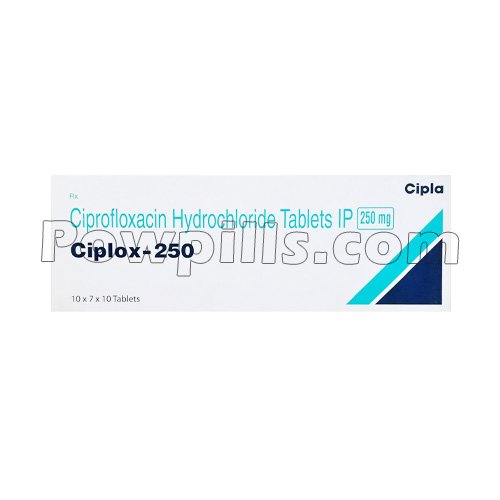
What Is Ciplox 250 Mg? Ciplox 250 mg Tablet is an antibiotic medicine containing ciprofloxacin as its active ingredient. It belongs to the fluoroquinolone class of antibacterial medicines and is prescribed for certain infections caused by susceptible bacteria. Ciplox 250 mg is intended for bacterial infections and does not provide benefit against viral illnesses such as the common cold or flu. The medicine is available as an oral tablet and is manufactured by Cipla Ltd. How Does Ciplox 250 Mg Work? Ciplox 250 mg works by targeting bacterial enzymes called DNA gyrase and topoisomerase IV, which are essential for bacterial DNA replication and repair. By interfering with these enzymes, ciprofloxacin prevents bacteria from multiplying and can ultimately cause the bacterial cells to die. This action helps control susceptible bacterial infections and makes ciprofloxacin different from antibiotics that work through other mechanisms. Ciplox 250 Mg Uses Ciplox 250 mg is prescribed for certain infections caused by susceptible bacteria. Depending on the organism and clinical situation, ciprofloxacin can be used for infections involving areas such as: Urinary tract Respiratory tract Skin and soft tissues Prostate Gastrointestinal tract Certain bone and joint infections Other susceptible bacterial infections Benefits of Ciplox 250 Mg Benefit Description Targets Bacterial Infections Helps eliminate susceptible bacteria responsible for certain infections. Broad Antibacterial Activity Works against a range of bacteria that may cause different types of infections. Oral Tablet Form Available as a convenient tablet for oral administration. Helps Control Infection Supports the treatment of susceptible bacterial infections when ciprofloxacin is an appropriate option. 250 mg Strength Provides a 250 mg strength option for treatment plans where this dose is prescribed. Ciplox 250 Mg Dosage The Ciplox 250 mg dosage is not the same for every infection. The prescribed dose and treatment duration depend on the type and severity of infection, the susceptibility of the bacteria, kidney function, age, and other clinical factors. How to Take Ciplox 250 Mg Following the guide to taking Ciplox 250 mg can help you understand when and how to take this medicine correctly. Take it exactly as prescribed and try to take each dose at approximately the same time each day. Important administration points include: Swallow the tablet with sufficient water. Follow the prescribed dosing schedule. Ciprofloxacin can be taken with or without food. Avoid taking it together with dairy products or calcium-fortified drinks by themselves, because they can interfere with absorption. If these foods are part of a meal, ciprofloxacin can generally be taken with that meal. Complete the prescribed course unless your healthcare professional tells you to stop because of a serious reaction. Missed Dose If you miss a dose of Ciplox 250 mg, take it when you remember if there are 6 hours or more before the next scheduled dose. If the next dose is due within 6 hours, skip the missed dose and continue with your regular schedule. Do not take two doses together to make up for the missed tablet. Overdose Taking more Ciplox 250 mg than prescribed may increase the risk of adverse effects and has been associated with reversible kidney toxicity in cases of acute overdose. If you accidentally take more than the prescribed amount, contact a healthcare professional or seek medical help promptly. Adequate hydration and monitoring may be required depending on the amount taken and the individual’s condition. Available Strength Ciplox 500 Mg Ciplox 250 Mg Side Effects Some people may experience side effects while taking ciprofloxacin. Commonly reported effects can include: Nausea Diarrhea Headache Dizziness Abdominal discomfort Vomiting These effects may be temporary, but persistent or troublesome symptoms should be discussed with a healthcare professional. Serious Side Effects Ciprofloxacin belongs to the fluoroquinolone class, which carries important safety warnings. Serious reactions can include: Tendinitis or tendon rupture Peripheral neuropathy Central nervous system effects Severe allergic reactions Worsening of muscle weakness in people with myasthenia gravis Certain heart rhythm problems Important Note: Stop taking ciprofloxacin and seek prompt medical attention if you develop significant tendon pain or swelling, sudden weakness, numbness or tingling, severe neurological symptoms, or signs of a serious allergic reaction. Fluoroquinolone-related tendon problems may occur during treatment or even after treatment has ended. Ciplox 250 Mg Drug Interactions Ciprofloxacin can interact with medicines, supplements, and mineral-containing products. Some interactions can change ciprofloxacin absorption or increase the concentration of another medicine. Medicine/Product Possible Concern Tizanidine Contraindicated with ciprofloxacin Antacids containing aluminum or magnesium Can substantially reduce ciprofloxacin absorption Iron supplements May reduce ciprofloxacin absorption Calcium supplements Can reduce absorption when taken together Theophylline Ciprofloxacin may increase theophylline exposure Warfarin Monitoring may be required because anticoagulant effects can change Who Should Avoid Ciplox 250 Mg? Ciplox 250 mg may not be suitable for everyone. It should not be used by people with: A known allergy to ciprofloxacin or other quinolone antibiotics A previous serious reaction to a fluoroquinolone Current treatment with tizanidine Extra caution is needed in people with kidney problems, a history of tendon disorders, certain heart conditions, neurological disorders, myasthenia gravis, or previous serious reactions to fluoroquinolones. Ciplox 250 Mg Safety Advice Before taking Ciplox 250 mg, inform your doctor about any existing health conditions, allergies, and medicines or supplements you are currently using. Take Ciplox 250 mg exactly as prescribed and complete the recommended course unless your doctor advises otherwise. Take it with adequate fluids and avoid taking it at the same time as antacids or mineral supplements containing calcium, iron, magnesium, or zinc, as these can reduce ciprofloxacin absorption. Stop taking it and seek medical advice if you develop tendon pain or swelling, numbness or tingling, severe weakness, or unusual nerve symptoms. Inform your doctor if you have kidney problems, heart-rhythm disorders, myasthenia gravis, or a history of tendon problems before using Ciplox. Avoid excessive sun or UV exposure during treatment, as ciprofloxacin may increase sensitivity to sunlight. Seek medical attention for severe or persistent diarrhea, allergic reactions, or other serious symptoms during treatment. The risk of tendon injury is higher in some older adults and in people using corticosteroids or with certain transplant histories.
Reviews
There are no reviews yet.